Penny Foskaris is a Functional Nutrition Specialist, A4M member, and founder of Foskaris Wellness, a private longevity practice. She has spent over a decade working with high-performing clients to optimize healthspan through data-driven, precision protocols.
Your chronological age is fixed. The number of years since you were born does not change regardless of what you do. Your biological age, how old your cells, tissues, organs, and systems actually function, is a different matter entirely. It is measurable, and in meaningful ways, it is modifiable.
This is not a wellness marketing claim. Biological age is now one of the most active research areas in longevity science. The tools to measure it are more accessible than they have ever been. And the interventions that shift it are increasingly well-understood, even if they remain outside the scope of conventional medicine.
What Biological Age Actually Measures
Biological age reflects the functional state of your body’s systems, not the year you were born. Two people with the same chronological age can differ by decades in biological age.
The most scientifically validated methods for measuring biological age use epigenetic clocks, which analyze DNA methylation patterns across thousands of sites in the genome. Methylation is a chemical modification to DNA that influences gene expression. Patterns of methylation change predictably with age, and algorithms trained on these patterns can estimate biological age from a blood or saliva sample.
The original Horvath clock, published in 2013, demonstrated that methylation patterns could predict age with remarkable accuracy and that biological age estimated this way correlated with disease risk, cognitive function, and mortality independent of chronological age. Subsequent clocks, including GrimAge, PhenoAge, and DunedinPACE, have refined this further, with some measuring pace of aging rather than a static age estimate.
Other biological age markers include telomere length, which shortens with each cell division and with oxidative stress; inflammatory markers like IL-6, CRP, and TNF-alpha, which elevate with aging and predict disease; functional markers like VO2 max, grip strength, and walking speed; and metabolic markers like fasting insulin, HbA1c, and triglycerides.
These markers do not always agree with each other. A person can have excellent epigenetic age scores but poor metabolic markers. A comprehensive biological age assessment looks across all of these systems to identify where the gaps are and which interventions will produce the greatest impact.
The Primary Drivers of Accelerated Biological Aging
Biological aging accelerates when specific physiological systems are under sustained stress. Identifying which systems are compromised in you specifically is the starting point for any longevity intervention.
Chronic inflammation. Often called inflammaging in the research literature, low-grade systemic inflammation is one of the most consistent predictors of accelerated aging and age-related disease. Inflammatory cytokines damage cellular structures, impair mitochondrial function, accelerate telomere shortening, and alter gene expression in ways that promote aging. Sources of chronic inflammation include visceral fat, insulin resistance, gut dysbiosis, sleep deprivation, psychological stress, and certain dietary patterns.
Mitochondrial dysfunction. Mitochondria are the energy-producing organelles in cells. Their function declines with age, and this decline is both a cause and consequence of aging: dysfunctional mitochondria produce more reactive oxygen species, which damage cellular structures, which further impair mitochondrial function. Strategies that support mitochondrial biogenesis and efficiency, including resistance training, caloric moderation, and red light therapy, directly address this driver.
Insulin resistance and metabolic dysfunction. Chronically elevated insulin drives cellular aging through multiple pathways: it activates mTOR, a nutrient-sensing pathway that when chronically activated suppresses autophagy, the cellular cleanup process; it promotes advanced glycation end products, which stiffen tissues; and it drives visceral fat accumulation, which is itself a source of chronic inflammation. Insulin resistance is one of the most directly modifiable biological age accelerators through dietary strategy.
Hormonal decline. Every major hormone that declines with age, including testosterone, estrogen, growth hormone, DHEA, and thyroid hormones, plays a role in maintaining tissue integrity, metabolic rate, cellular repair, and cognitive function. The collective effect of hormone decline across multiple systems is a significant contributor to the functional changes associated with aging.
Loss of lean muscle mass. Sarcopenia, the progressive loss of skeletal muscle with age, is not simply an aesthetic issue. Muscle mass is metabolically active, producing signaling molecules called myokines that influence everything from brain health to immune function to glucose metabolism. Low muscle mass is one of the strongest predictors of all-cause mortality in older adults. Preserving and building muscle mass is a longevity strategy, not just a performance goal.
The Interventions With the Strongest Evidence
Not every longevity intervention is supported by the same quality of evidence. The following have the most consistent data for measurable biological age improvement.
Resistance training. No single intervention has a broader evidence base for longevity benefit than progressive resistance training. It preserves muscle mass and bone density, improves insulin sensitivity, reduces inflammatory markers, supports mitochondrial biogenesis, and has been associated with slower epigenetic aging in multiple studies. The protocol matters: frequency, progressive overload, and adequate protein intake together determine whether training preserves or builds muscle.
Protein-optimized nutrition. The role of protein in longevity is nuanced. In younger and middle-aged adults, higher protein intakes, generally above 1.2 grams per kilogram of body weight, support muscle preservation and metabolic health. The quality and distribution of protein across meals also matters: leucine, the amino acid that most potently stimulates muscle protein synthesis, needs to reach a threshold per meal, typically from 25 to 40 grams of complete protein depending on the individual.
Sleep optimization. Sleep is when the glymphatic system clears metabolic waste from the brain, including amyloid-beta, a protein associated with Alzheimer’s disease. Growth hormone, which drives cellular repair and body composition, is secreted primarily during deep sleep. Chronic sleep deprivation accelerates epigenetic aging, elevates cortisol, and impairs insulin sensitivity. Seven to nine hours of high-quality sleep is not a luxury. It is a primary longevity intervention.
Hormone optimization. Maintaining hormones within optimal rather than merely “normal” ranges is one of the most impactful longevity strategies available to adults over 40. This is covered in detail in the hormone optimization guide, but the core point is that hormones are not separate from longevity. They are central to it.
Photobiomodulation. Red light therapy operates at the mitochondrial level, improving ATP production and reducing oxidative stress. The mechanisms are directly relevant to biological aging: better mitochondrial function means less oxidative damage, more efficient cellular repair, and improved tissue integrity. It is not a standalone longevity strategy, but as a component of a comprehensive protocol it addresses aging at the cellular level in ways that few other accessible interventions do.
Strategic supplementation. Certain compounds have strong evidence for longevity support. NAD+ precursors, including NMN and NR, support the NAD+ levels that decline with age and are required for sirtuin activity and mitochondrial function. Omega-3 fatty acids reduce inflammatory markers. Magnesium supports hundreds of enzymatic reactions and is chronically deficient in most adults. Vitamin D, when optimized in serum, is associated with reduced all-cause mortality across multiple large studies. Creatine supports both muscle and cognitive function. These are not replacements for a functional lifestyle. They are supports layered on top of one.
How to Measure Your Progress
You cannot optimize what you do not measure. Biological age improvement requires tracking the right markers over time, not just how you feel.
The markers worth tracking in a longevity protocol include:
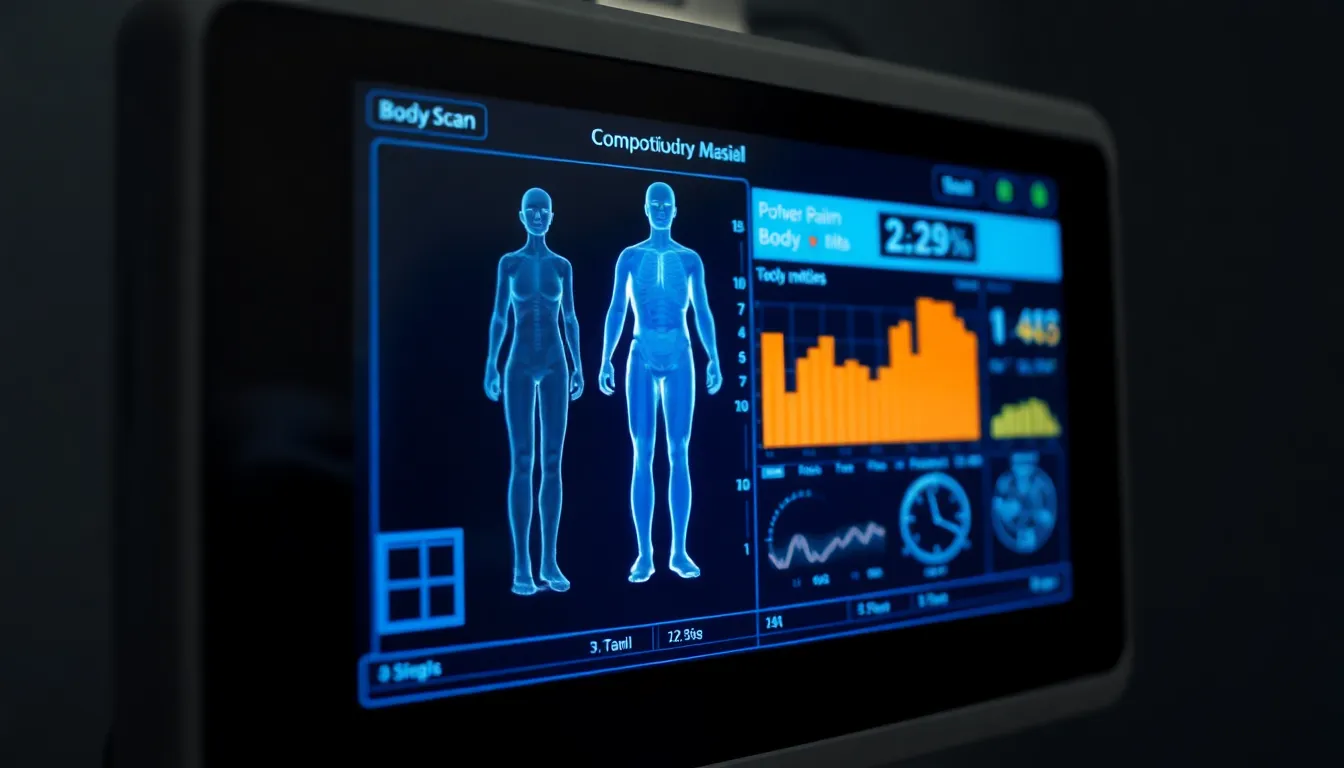
Body composition: fat mass versus lean mass measured by bioelectrical impedance or DEXA. The ratio of fat to lean mass is more predictive of metabolic health than weight alone.
Metabolic markers: fasting glucose, fasting insulin, HbA1c, and HOMA-IR calculated from the first two. These track insulin sensitivity, which is one of the most modifiable drivers of biological aging.
Inflammatory markers: high-sensitivity CRP, IL-6 if available. Reductions in these markers following lifestyle changes are among the most consistent early indicators of biological age improvement.
Hormone levels: comprehensive panels tracking free testosterone, estradiol, DHEA-S, thyroid markers, and IGF-1. These are typically monitored every 6 to 12 weeks during active protocol adjustment.
Functional markers: resting heart rate, HRV, grip strength, and sleep quality tracked via wearable devices provide continuous data between lab draws.
These markers, tracked over 3 to 6 month intervals, tell a clearer story than any single snapshot. The goal is a trajectory of improvement, not perfection at a single point in time.
Starting Where You Are
Longevity optimization is not reserved for people who are already healthy. The starting point does not matter as much as the direction of change. Clients who arrive with metabolic dysfunction, hormonal imbalances, and poor body composition often see the fastest measurable improvements precisely because they have the most ground to recover.
The LongevityRX Method begins with a comprehensive data baseline, builds a personalized protocol, and tracks progress with the markers that actually reflect biological age. If you want to understand where your biology currently stands and build a plan to improve it, inquire about working together or take the longevity assessment as a first step.